Poisons & Toxins
If you suspect your pet has swallowed something harmful, do not wait for symptoms. Call us on (510) 537-3292.

Dogs: Poisons & Toxins
Staying educated and informed about the toxins our canine patients may encounter is one of the most important ways we serve our clients when an emergency strikes. Knowing what is dangerous to dogs, and why, allows us to act quickly and give the best possible care.
According to Pet Poison Helpline, the top ten toxins most commonly reported for dogs are:
- Chocolate, which contains methylxanthines including theobromine and caffeine
- Onions, which contain thiosulphates
- Garlic, which also contains thiosulphates
- Grapes
- Raisins
- Antifreeze, which causes ethylene glycol poisoning affecting multiple organs
- Xylitol, an artificial sweetener that causes hypoglycemia and liver damage
- NSAIDs, which can cause gastric ulcers and renal failure
- Rodenticides
- Insecticides, which can damage various organs and prove fatal if left untreated
If you ever suspect your dog has ingested any of these substances, do not wait for symptoms to appear. Contact us at Noble Vet Clinic immediately so we can help.

Cats: Poisons & Toxins
Staying educated and informed about the toxins our feline patients may encounter is one of the most important ways we serve our clients when an emergency strikes. Cats are uniquely sensitive to many common household items, and knowing the biggest dangers helps us act quickly when every minute counts.
According to Pet Poison Helpline, the toxins most commonly reported for cats include:
- Household cleaners
- Pyrethroid-based insecticides
- Rodenticides. The two main types of bait commonly seen today are anticoagulant rodenticides, which cause severe bleeding and death, and cholecalciferol or vitamin D type rodenticides, which cause elevated calcium and phosphorus levels in the blood and kidney failure
- Dewormers. These include the ivermectins, just as in dogs, along with pyrantel dewormers that are not labeled for use in cats
- Human medications, particularly the antidepressant class of drugs, and especially Effexor
- Insoluble oxalate plants and Asiatic lilies. Philodendron, Dumbcane, Pothos, Elephant Ears, and Peace Lilies are a few of the frequent offenders in this class of plants
- Essential oils. Cats are extremely sensitive to essential oils. Liquid potpourri, a very common exposure around the holidays, along with Tea Tree Oil or Melaleuca, Oil of Wintergreen, citrus oils, pine oils, peppermint oils, and cinnamon oils are just a few examples, and the full list of oils that pose concerns for cats is a long one
- Glow sticks
Contact us at Noble Vet Clinic immediately so we can help.

Poinsettias
While poinsettias are best known as holiday favorites, these plants can grow year-round, thriving as houseplants and even as outdoor perennials in warmer climates. That means the risk to your dog is not limited to one season. The truth is that poinsettias are toxic to dogs, but their reputation is scarier than the reality. The milky sap in the leaves can irritate your dog’s mouth, skin, and stomach, causing drooling, mild vomiting, and occasionally diarrhea. Serious poisoning is rare, and because the plant tastes unpleasant, most dogs stop after a nibble. Still, no plant ingestion should be ignored. Puppies, small breeds, senior dogs, and pets with health conditions can be more sensitive. If your dog shows anything beyond mild, short-lived symptoms, or if you are simply unsure, call us at Noble Vet Clinic right away. The safest approach is prevention: keep poinsettias out of reach in every season, and remember that holly, mistletoe, and lilies pose far greater dangers to your pets.

Chocolate
Chocolate is one of the most common poisoning emergencies we see in dogs. The danger comes from methylxanthines, mainly theobromine along with caffeine, which dogs process far more slowly than people do. The darker the chocolate, the greater the risk: baking chocolate, cocoa powder, and dark chocolate are the most dangerous. Symptoms range from vomiting and restlessness to a racing heart, tremors, and seizures. No amount of chocolate is safe for your dog. If your dog eats any, call us at Noble Vet Clinic right away with the type, the amount, and your dog’s weight. Acting quickly, before symptoms appear, gives your dog the best chance at a full recovery.
Grapes and Raisins
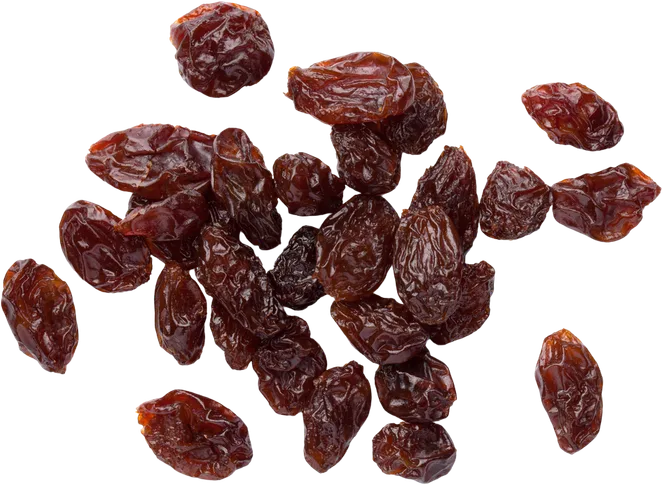
Raisins, along with grapes, are among the most dangerous foods a dog can eat, and they are far more serious than many owners realize. For years the exact toxin was a mystery, but research now points to tartaric acid, which is naturally concentrated in grapes and even more so in raisins. Even a small handful can cause sudden kidney failure in some dogs, and there is no way to predict which dogs will be affected or how much is too much. Early signs include vomiting within a few hours, lethargy, loss of appetite, and diarrhea, followed by decreased urination as the kidneys shut down.
No amount of raisins or grapes is safe for your dog, and that includes foods that contain them, such as trail mix, cereals, and baked goods. If your dog eats any, call us at Noble Vet Clinic immediately, even if they seem perfectly fine. Treatment started early, before kidney damage sets in, can be lifesaving, so do not wait for symptoms to appear.
Antifreeze
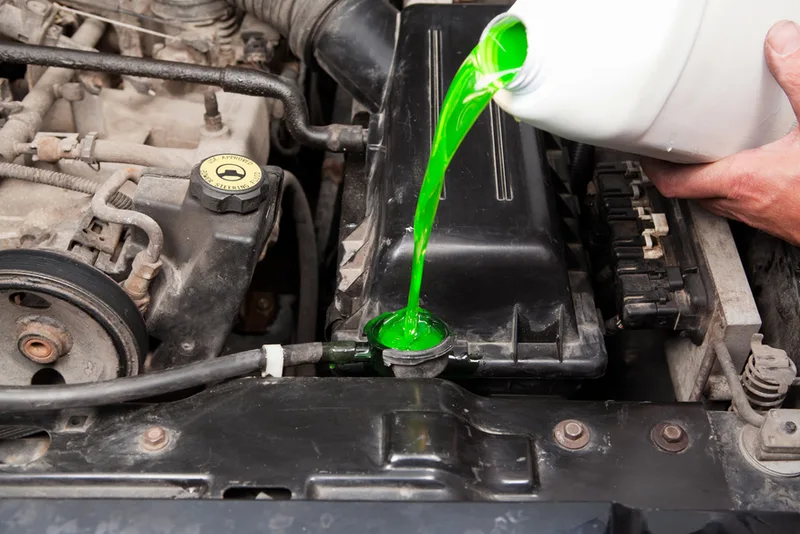
Antifreeze is one of the deadliest poisons a dog can encounter. The danger comes from its main ingredient, ethylene glycol, which tastes sweet to dogs, and even a few tablespoons can be fatal. Early signs appear within hours and look like drunkenness: stumbling, drooling, vomiting, and excessive thirst. These symptoms often seem to improve, but by then the poison is silently destroying the kidneys.
This is a true emergency where every minute counts, because the antidote only works if given early. If you even suspect your dog has licked antifreeze, call us at Noble Vet Clinic immediately and do not wait for symptoms. Store antifreeze out of reach and clean up any spills or leaks right away.
Rodent Bait
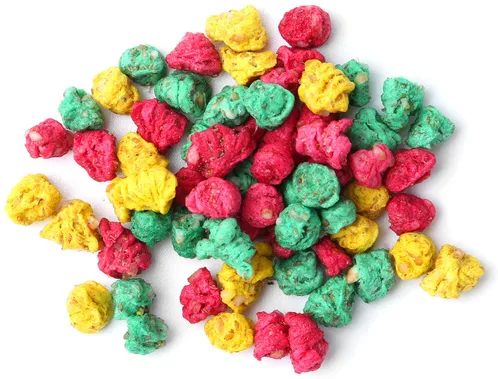
Rodent killers are made to be tasty to rats and mice, which unfortunately makes them just as tempting to dogs. The danger depends on the type: anticoagulant baits stop the blood from clotting and cause internal bleeding, cholecalciferol or vitamin D baits raise calcium levels and lead to kidney failure, and bromethalin attacks the brain and nervous system. Signs may not appear for days and can include weakness, pale gums, bruising, bleeding, vomiting, excessive thirst, tremors, or seizures, depending on the bait involved.
If your dog gets into any rodent killer, call us at Noble Vet Clinic immediately and bring the product packaging with you if you can, since the ingredients determine the treatment. Do not wait for symptoms, because by the time they appear the damage may already be severe. Early treatment can be lifesaving. Better yet, keep all baits out of reach or use pet-safe traps instead.