Surgery
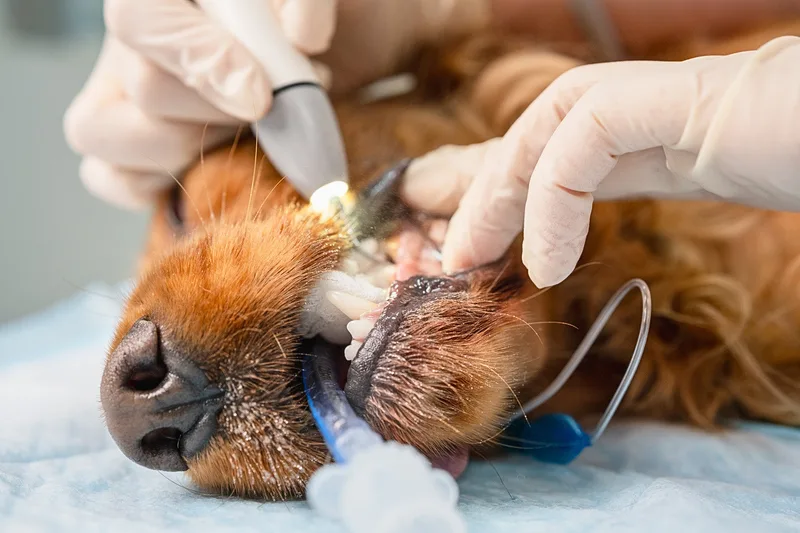
From a routine spay to emergency surgery for bloat, every patient gets the same safeguards — the same ones used in human hospitals.
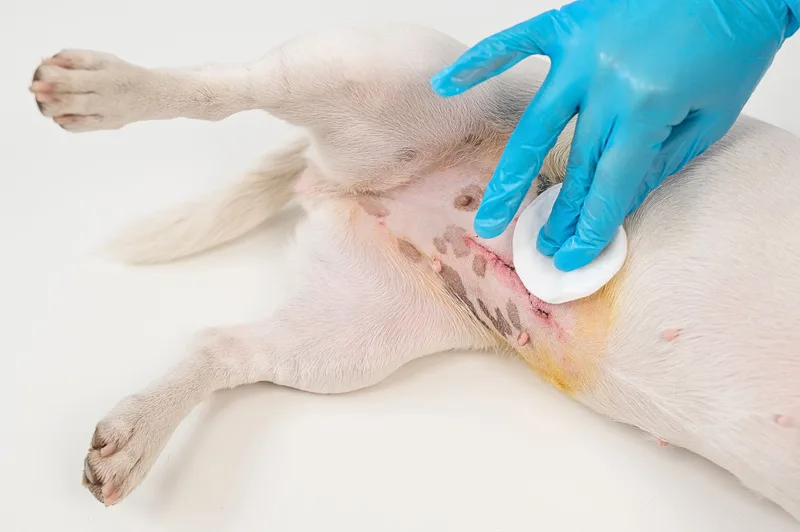
Preparing Your Pet for Surgery
Before your pet has any surgery, your veterinarian will likely recommend routine blood work. This usually includes a complete blood count (CBC) and a serum chemistry profile. It may seem like an extra step, but these tests give us valuable information about your pet’s overall health. The CBC looks at the cells in the blood, including red blood cells, white blood cells, and platelets. Checking these helps us confirm that your pet is healthy and has the blood support they need during surgery.
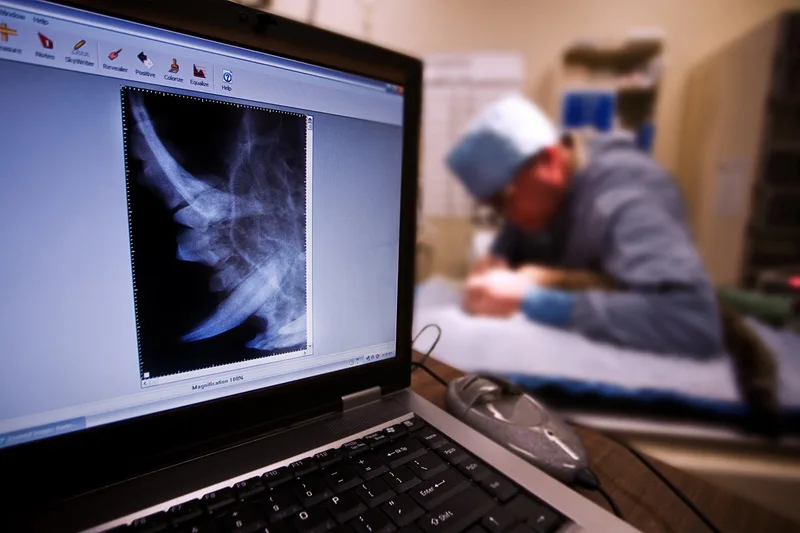
Depending on the procedure, X-rays (radiographs) or a CT scan may also be recommended.
The serum chemistry profile can uncover serious abnormalities or metabolic diseases that could affect the safety of anesthesia and surgery. It evaluates the liver, kidneys, and pancreas, and can detect diabetes and other conditions. If a problem is found, we may postpone the procedure until it has been addressed.
To complete the picture, a urinalysis evaluates the urinary system. It provides important information about kidney function and any inflammation in the kidneys or bladder, and it can also detect urinary crystals and metabolic diseases such as diabetes. If your pet has a history of kidney or bladder problems, a urinalysis is an especially important part of pre-anesthetic testing before surgery.
Our Commitment to Surgical Safety
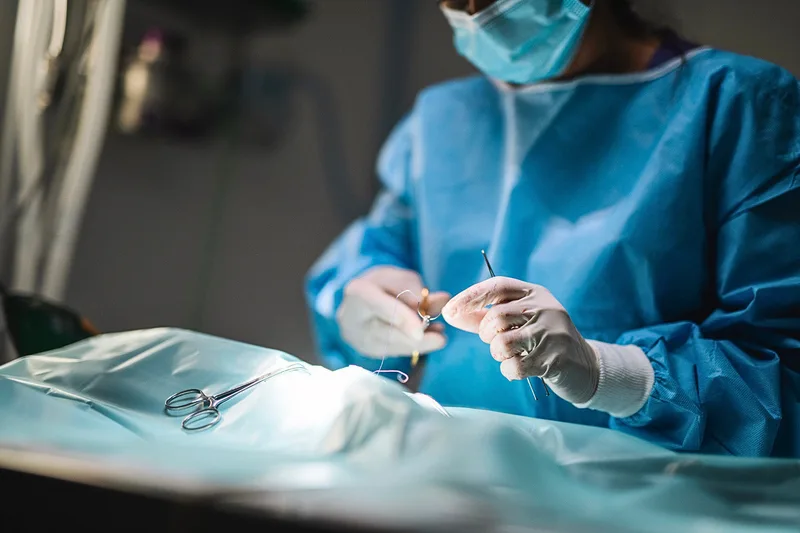
Whether your pet is coming in for a routine spay or neuter or needs major surgery for cancer, an injury, or a life-threatening emergency such as bloat (gastric dilatation-volvulus, or GDV), our hospital provides the highest level of safeguards from start to finish. Every patient receives the same careful attention, no matter how simple or complex the procedure.
Here is how we protect your pet during surgery:
- Pre-operative diagnostics: Blood work, urinalysis, and imaging when needed (described above) let us find hidden health problems before anesthesia, so we can plan the safest approach for your pet.
- Intravenous (IV) catheter: A small, soft tube is placed in a vein before surgery. It gives us instant access to deliver fluids, anesthesia, and pain medication, and allows us to give emergency medications right away if they are ever needed.
- IV fluid therapy: Fluids given through the catheter help maintain healthy blood pressure, keep your pet hydrated, and protect vital organs such as the kidneys while under anesthesia. They also help your pet recover more smoothly afterward.
- Breathing and heart monitoring: Throughout the procedure, our team continuously watches your pet’s heart rate and rhythm, blood pressure, oxygen levels, breathing, and body temperature. This close monitoring lets us notice even small changes and respond immediately.
These safeguards are the same ones used in human hospitals, and they make a real difference in keeping anesthesia and surgery as safe as possible. If you have any questions about your pet’s upcoming procedure, please call us. We’re always happy to talk through the plan with you.