Ophthalmology
Eyes are delicate and problems develop fast. Any eye injury should be treated as an emergency.
Protecting Your Pet’s Eyes
What to Watch For
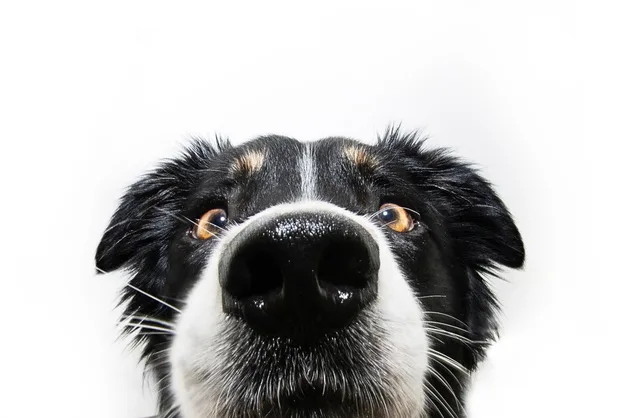
Your pet’s eyes are delicate, and problems can develop quickly in both dogs and cats. Some eye conditions are mild and easy to treat, while others can threaten your pet’s vision if they aren’t caught early. Knowing what to look for can make a real difference.
Contact your veterinarian if you notice any of the following:
- Redness in the eye or eyelids
- Squinting or keeping an eye closed
- Discharge that is yellow, green, or thick
- Excessive tearing or staining around the eyes
- Cloudiness or a change in eye color
- Pawing or rubbing at the face
- Swelling around the eye
- Bumping into objects or other signs of vision loss
Common Eye Conditions
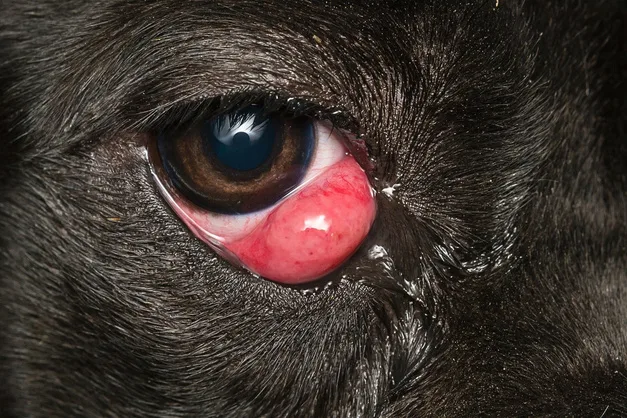
Some of the eye problems we see most often in dogs and cats include:
- Conjunctivitis (pink eye)
- Corneal ulcers or scratches
- Dry eye (keratoconjunctivitis sicca)
- Cherry eye
- Glaucoma
- Cataracts
- Uveitis (inflammation inside the eye)
- Entropion (eyelids that roll inward)
- Feline herpesvirus infections in cats
Eye Trauma
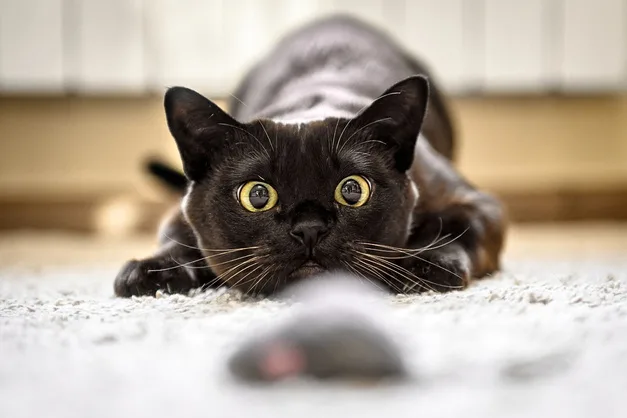
Eye injuries are common in active pets. Scratches from a cat’s claw, a run through tall grass, thorns, or foreign objects such as foxtails can all damage the surface of the eye. Short-nosed breeds like pugs, shih tzus, and Persian cats are especially at risk because their eyes are more exposed.
Any eye injury should be treated as an emergency. Even a small scratch can become infected or turn into a deep ulcer within a day or two, and an eye that bulges out of its socket needs immediate care.
Treatment
Treatment depends on the cause, which is why a thorough eye exam is so important. Your veterinarian may use special stains to check for scratches or ulcers, measure the pressure inside the eye, and test tear production. Depending on the diagnosis, treatment may include:
- Medicated eye drops or ointments
- Oral medications
- A protective cone to prevent rubbing
- Surgery for conditions such as cherry eye, entropion, or cataracts
Please never use human eye drops or leftover medications on your pet without talking to your veterinarian first. Some products can make certain eye problems much worse. If you notice any change in your pet’s eyes, contact your veterinarian at Noble Vet Clinic on (510) 537-3292 right away. Early treatment is the best way to protect your pet’s comfort and vision for years to come!