
Parasite Prevention
When it comes to fleas and ticks, acting quickly makes all the difference.
Fleas, Ticks, and Parasite Prevention
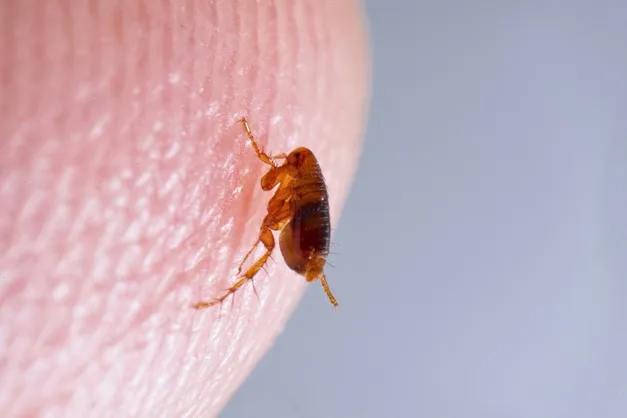
Signs of Fleas
When it comes to fleas, acting quickly makes all the difference. If you think your pet may have fleas, watch for these common signs:
- Constant scratching, biting, or licking
- Red or irritated skin
- Hair loss, especially near the tail and lower back
- Small dark specks (flea dirt) in the fur
- Skin infections caused by scratching
The most effective way to stop an infestation is with the right flea treatment for your dog or cat. There are many options available, and the best choice depends on your pet’s species, size, health, and lifestyle. Be sure to talk with your veterinarian before starting any flea product, since some products made for dogs can be very dangerous for cats.


Ticks & Lyme Disease
Signs of Ticks
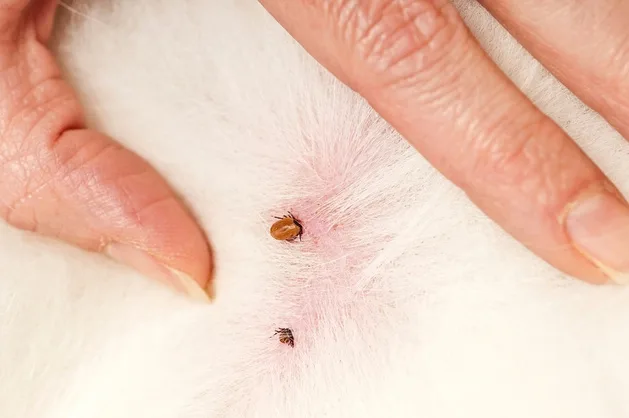
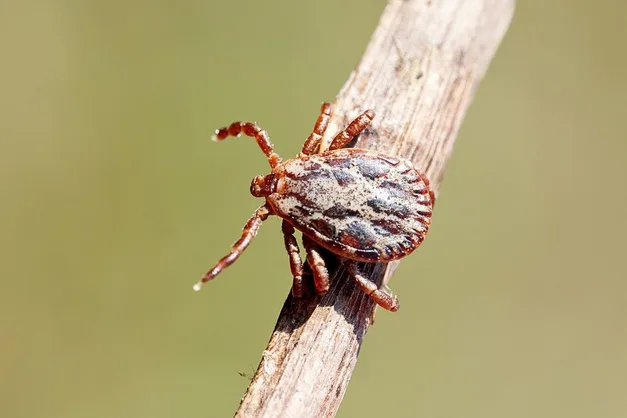
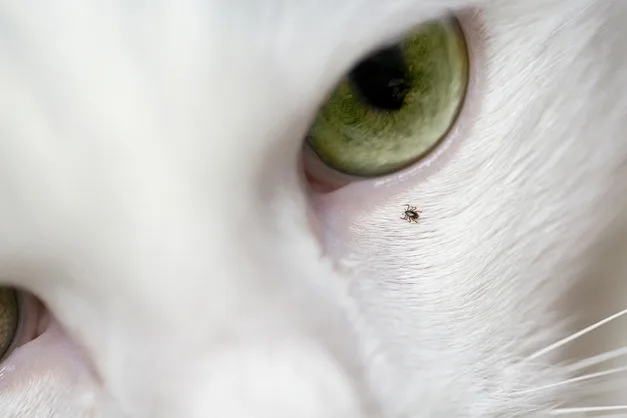
Ticks are a common problem for both dogs and cats. They may be tiny, but they can cause serious trouble. An infected tick can pass along diseases such as Lyme disease and anaplasmosis, which can make your pet very sick if they aren’t treated.
Ticks are usually brown or black and can range from the size of a pinhead to the size of a pencil eraser. They attach to your pet’s skin to feed on blood, and once they have fed, they swell and look much larger than before. Ticks often hide around the ears, head, neck, and between the toes, so check these areas carefully after your pet spends time outdoors.
If you find a tick on your pet or think they may have been bitten, contact your Noble Vet Clinic veterinarian on (510) 537-3292 for guidance. Preventing ticks in the first place is the best way to protect your pet from tick-borne illness, so ask us about prevention options and the warning signs to watch for throughout the year.
Lyme Disease Detection and Treatment
Lyme disease is a common tick-borne illness that affects people and pets alike. It is caused by a bacterium called Borrelia burgdorferi, which lives in the black-legged tick, also known as the deer tick. When an infected tick bites and stays attached to your dog, the bacteria can pass into the bloodstream and cause infection. Dogs that spend time in grassy or wooded areas where ticks live are at the greatest risk.
Signs of Lyme disease in dogs can include:
- Lameness that may shift from one leg to another
- Swollen or painful joints
- Fever
- Tiredness or low energy
- Loss of appetite
Symptoms may not appear until weeks or even months after a tick bite. Early detection and treatment are key to preventing serious complications, so please bring your dog in as soon as you notice any of these signs. Lyme disease is usually treated with a course of antibiotics, and a simple blood test can help with diagnosis.