Heartworm Disease
Spread by a single mosquito bite, and almost entirely preventable.
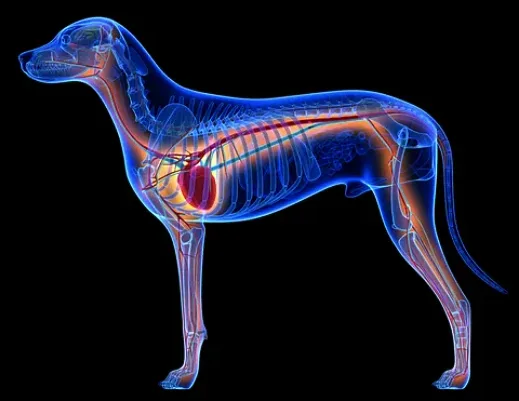
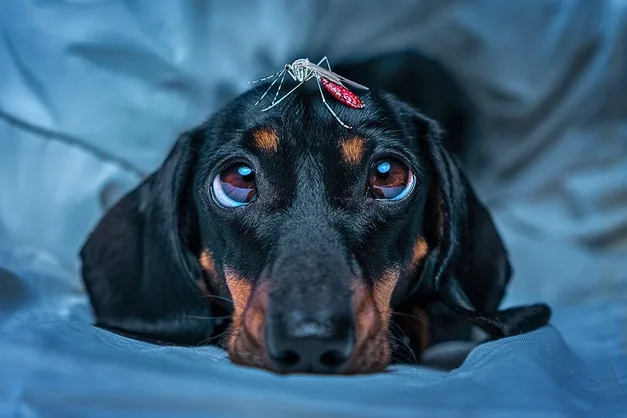
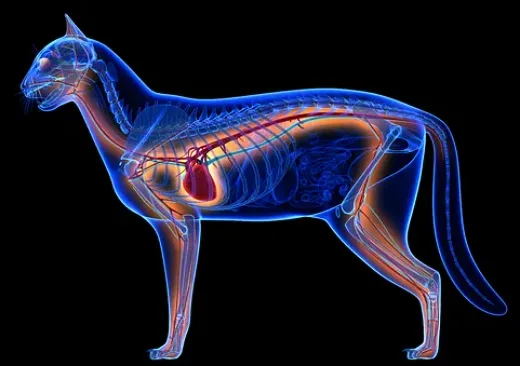
Every pet owner wants their companion to enjoy a long and healthy life. Heartworm disease is one of the most serious threats to that goal, affecting dogs, cats, and even ferrets. It is caused by a parasitic worm called Dirofilaria immitis and is spread through the bite of an infected mosquito. Left untreated, heartworms can cause severe lung disease, heart failure, and even death. The good news is that heartworm disease is almost entirely preventable.
Symptoms of Heartworm Disease
Signs of heartworm disease depend on how long your pet has been infected and how many worms are present. Many pets show no signs at all in the early stages. As the disease advances, you may notice:
- A mild, persistent cough
- Tiredness or reluctance to exercise
- Decreased appetite and weight loss
- Difficulty breathing
- A swollen belly from fluid buildup
Cats may show different signs, such as vomiting, coughing, or asthma-like breathing problems, and in some cases a cat may collapse suddenly. If you think your pet could have heartworm disease, please contact your veterinarian right away.
Treatment for Heartworm Disease
Treatment is available for dogs diagnosed with heartworm disease, but it can be costly, takes several months, and carries some risk. Your dog will need strict rest during recovery, and some pets require a hospital stay. Even after the worms are gone, the damage they caused to the heart and lungs may be permanent. There is currently no approved medication to treat heartworm infection in cats, so veterinary care focuses on managing their symptoms.
Prevention Is the Best Protection
Because treatment is so difficult, prevention is the key to keeping your pet safe. A monthly heartworm preventive given year-round, along with a yearly heartworm test for dogs, is the best way to protect your pet. Contact Noble Vet Clinic to find the right heartworm prevention plan for your dog or cat!