Diagnostics
Pets hide illness well. Lab testing shows how the organs are working and whether your pet is carrying a hidden infection — often before they feel sick at all.
Why We Recommend Bloodwork, Urinalysis, and Infectious Disease Testing
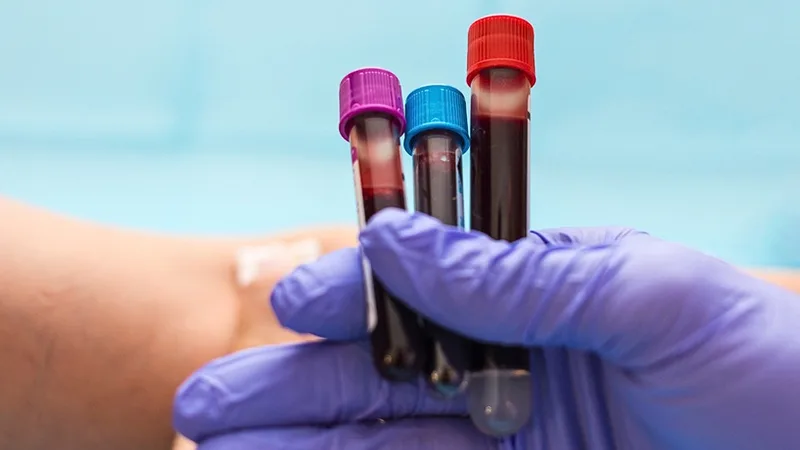
Dogs and cats can’t tell us when they don’t feel well, and they’re very good at hiding illness. By the time a pet shows obvious signs like weight loss, increased thirst, or low energy, a problem may have been developing for months. Diagnostic testing lets us look inside your pet and catch changes early, often before your pet feels sick at all.
Think of it like your own annual physical. A physical exam tells us a lot, but lab testing tells us how the organs are working and whether your pet is carrying any hidden infections.
What Bloodwork Tells Us
Complete Blood Count (CBC)
This test counts and examines your pet’s blood cells:
- Red blood cells carry oxygen. Low numbers (anemia) can cause weakness and may point to blood loss, chronic disease, or other problems.
- White blood cells fight infection. Changes can signal infection, inflammation, stress, or immune problems.
- Platelets help blood clot. This is especially important to check before surgery.
Blood Chemistry Panel
This measures substances in the blood that show how the organs are working:
- Kidneys: Kidney disease is very common in older cats and dogs, and early detection gives us more ways to help.
- Liver: Detects inflammation, disease, or effects from medications.
- Blood sugar: Screens for diabetes.
- Proteins and electrolytes: Show hydration and overall health.
- Thyroid (often added for seniors): An overactive thyroid is common in older cats; an underactive thyroid is common in dogs.
What Urinalysis Tells Us
A urine sample is a simple, painless test that gives us a surprising amount of information:
- How well the kidneys concentrate urine. This can reveal kidney changes even before they show up in bloodwork.
- Infection in the bladder or urinary tract.
- Crystals or signs of stones that can cause pain or blockages.
- Sugar or protein in the urine, which can indicate diabetes or kidney disease.
Bloodwork and urinalysis work best together. Each one fills in pieces of the picture the other can’t.
Infectious Disease Testing
Some of the most serious diseases in dogs and cats are caused by parasites, bacteria, and viruses that pets can carry for a long time without showing any signs. A small blood, stool, or swab sample lets us find these infections early, when they’re easier to treat, and helps protect other pets (and sometimes people) in your home.
For Dogs
- Heartworm disease: Spread by mosquitoes, heartworms live in the heart and lungs and can cause permanent damage or death. Dogs on prevention should still be tested yearly, since no prevention is 100% effective and a missed dose can leave a gap.
- Tick-borne diseases: The same yearly blood test that checks for heartworm also screens for diseases spread by ticks, such as Lyme disease, Ehrlichia, and Anaplasma. These can cause fever, joint pain, lameness, and bleeding problems.
- Parvovirus: A highly contagious and often deadly virus that mainly affects puppies and unvaccinated dogs. If a dog has vomiting and diarrhea, a quick test helps us diagnose it fast and keep it from spreading.
For Cats
- Feline Leukemia (FeLV) and Feline Immunodeficiency Virus (FIV): These viruses weaken a cat’s immune system and can be spread to other cats. We recommend testing every new kitten or cat, any cat that is sick, and cats that go outdoors or live with other cats. Many cats with these viruses can live good lives with the right care, and knowing their status helps us protect them.
- Heartworm: Although less common than in dogs, cats can get heartworm too, and even a few worms can cause serious breathing problems. There is no approved treatment for cats, which makes prevention especially important.
For Both Dogs and Cats
- Fecal (stool) testing: Checks for intestinal parasites like roundworms, hookworms, whipworms, Giardia, and coccidia. Many of these are invisible to the eye, and some can spread to people, especially children. We recommend a fecal test at least once a year, and more often for puppies and kittens.
- Other tests as needed: Depending on your pet’s symptoms, lifestyle, and where you live or travel, we may recommend testing for other infections such as leptospirosis or Valley Fever. Your veterinarian will let you know if any of these apply to your pet.
When We Recommend Testing
- Annual wellness visits: Gives us a normal baseline for your pet, so we can spot changes over time, and includes yearly heartworm, tick-borne disease, and fecal screening.
- Senior pets (about age 7 and up): Older pets are more likely to develop kidney, liver, thyroid, and other diseases. We recommend a senior screening panel at least once a year, and sometimes twice.
- New pets and pets with outdoor exposure: Every new puppy, kitten, or adopted pet should be screened for infectious diseases, as should pets that spend time outdoors, travel, board, or visit dog parks.
- Before anesthesia or surgery: Makes sure your pet can safely handle anesthesia and helps us tailor the plan.
- When your pet is sick: Helps us find the cause quickly and choose the right treatment.
- For pets on long-term medication: Some medications need routine monitoring to make sure they’re safe for the liver and kidneys.
Understanding Your Pet’s Results
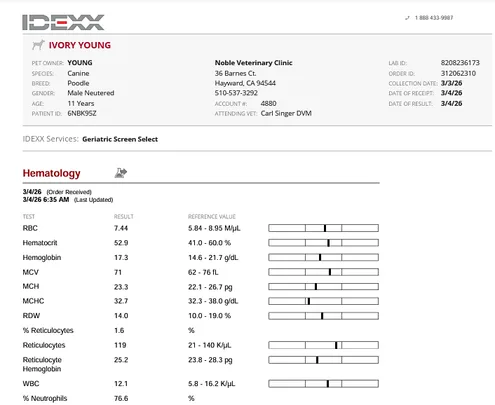
Every result on your pet’s report is shown next to a normal reference range. The marker on each line shows where your pet’s value falls within (or outside) that range. A value slightly outside the range isn’t always a cause for concern; what matters is the whole picture. Infectious disease tests are usually reported simply as positive or negative. Our doctors will review every result with you, explain what it means for your pet, and recommend any next steps.
The Bottom Line
Early detection means earlier treatment, more options, lower costs, and often a longer, more comfortable life for your pet. A small blood, urine, or stool sample today can make a big difference tomorrow.
Have questions about your pet’s lab work? Give us a call. We’re always happy to walk you through it.