
Understanding Urinary Problems in Cats
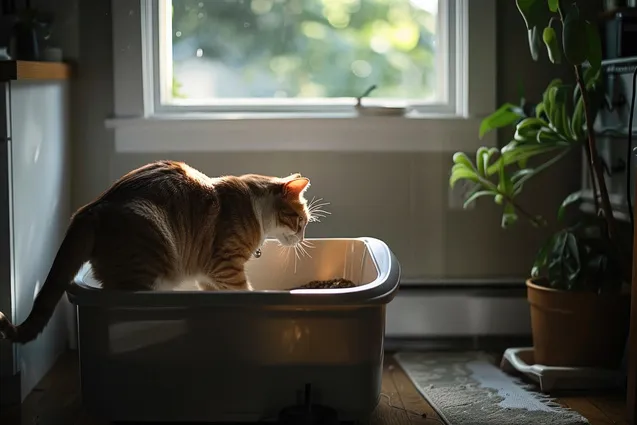
Urinary problems are among the most common reasons cats visit the veterinarian. Often grouped under the term feline lower urinary tract disease, these conditions can affect cats of any age, though they are most common in young to middle-aged cats that are indoors, overweight, or drink little water.
The Common Causes
- Feline idiopathic cystitis: painful bladder inflammation with no single known cause, closely linked to stress.
- Urinary stones and crystals: mineral deposits that irritate the bladder and can block the urethra.
- Urinary tract infections: less common in young cats, but more frequent in older cats and cats with kidney disease or diabetes.
The Greatest Danger
A urinary blockage is a true emergency. It happens most often in male cats, whose narrow urethra can become plugged with crystals, mucus, or stones. A blocked cat cannot empty his bladder, and toxins quickly build up in the blood. Without treatment, a blockage can be fatal within a day or two.
Signs and Symptoms
Watch for straining in the litter box, frequent trips that produce only small amounts of urine, blood in the urine, crying while urinating, urinating outside the box, and excessive licking of the genital area. A cat who strains and produces little or no urine, vomits, hides, or seems weak needs to see a veterinarian immediately.
Simple Safeguards
Encourage drinking with wet food, multiple water bowls, or a pet fountain. Provide one more litter box than the number of cats, scoop daily, and place boxes in quiet areas. Keep your cat at a healthy weight, reduce stress with play and predictable routines, and feed a prescription urinary diet if your veterinarian recommends one. Check the litter box daily so you notice changes early.
Treatment Options
Your veterinarian will usually begin with a urine test and may recommend imaging to look for stones. Treatment depends on the cause:
- Cystitis: pain relief, stress reduction, and increased water intake.
- Stones: some can be dissolved with a special diet, while others require surgical removal.
- Infection: antibiotics chosen based on a urine culture.
- Blockage: emergency care with sedation, a urinary catheter, intravenous fluids, and hospitalization. Cats who block repeatedly may benefit from surgery.
Urinary problems often return, so follow-up visits matter. If something seems wrong in the litter box, call your veterinarian. Acting early keeps your cat comfortable and can save his life.