
The Best Way to Groom Your Cat
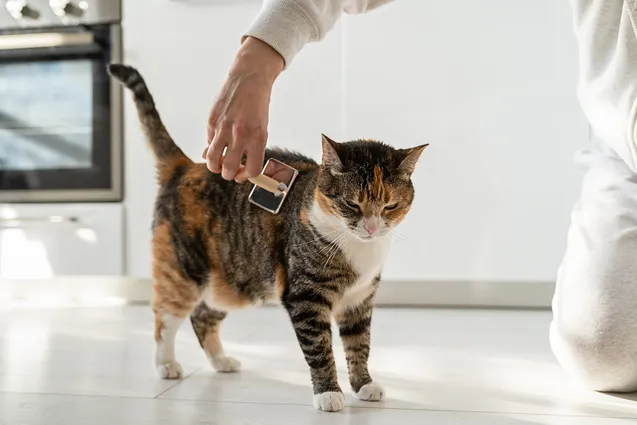
Cats are famous for grooming themselves, but they still benefit from a little help. Regular grooming reduces hairballs, prevents mats, and gives you a chance to spot lumps, fleas, or skin problems early.
Getting It Right
- Brushing: brush long-haired cats daily and short-haired cats about once a week to remove loose hair.
- Nails: trim the sharp tips every few weeks, avoiding the pink area inside the nail.
- Ears and teeth: check ears weekly and clean only if needed with a veterinarian-approved cleaner. Brush teeth with a toothpaste made for cats.
- Bathing: most cats rarely need a bath unless they are very dirty or have a medical need.
Dangers to Watch For
- Scissors near mats: cat skin is very thin and tears easily. Never cut mats out with scissors.
- Cutting the quick: the blood vessel inside the nail bleeds and hurts if cut. Keep styptic powder nearby.
- Dog and human products: some dog flea treatments contain permethrin, which can be deadly to cats. Essential oils such as tea tree oil are also toxic.
- Forced sessions: restraining a frightened cat causes stress and can lead to scratches or bites.
- Changes in grooming: a cat who stops grooming, or overgrooms and leaves bald patches, may be in pain or unwell.
Simple Safeguards
Start young, and keep sessions short and calm, ending before your cat becomes upset. Reward with treats and praise. Wrap a nervous cat gently in a towel for nail trims. For heavy matting or a cat who resists handling, let your veterinarian or a professional cat groomer help.
If you notice redness, sores, fleas, or a change in how your cat grooms, call your veterinarian. Gentle, regular care keeps your cat comfortable and healthy.